The most common ceramic coating installation mistakes include inadequate paint preparation, applying the coating in unsuitable conditions, failing to level the product correctly, and skipping final inspections. Proper decontamination, paint correction when needed, controlled application, and appropriate curing are essential for achieving a consistent finish and reliable coating performance.
Ceramic coating installation is more than applying a product to freshly washed paint. The condition of the surface, application technique, working environment, and curing process can all affect the final result.
Why Does Proper Preparation Matter Before Ceramic Coating?
Preparation is one of the most important stages of a ceramic coating installation because the coating is applied directly to the vehicle’s prepared paint.
If dirt, bonded contaminants, polishing residue, or existing paint defects remain, they can affect the coating’s appearance and bond.
A proper preparation process can include:
- Exterior washing
- Chemical decontamination
- Clay treatment when necessary
- Paint inspection
- Paint correction when appropriate
- Final surface preparation
- Coating application
Mike Details states that its ceramic coating packages include preparation such as exterior washing, clay treatment, and paint correction, depending on the package selected. Its higher-level Icon Rocklear service also includes iron decontamination and clay bar treatment.
For vehicle owners researching ceramic coating in Enola, PA, this preparation is important because applying a coating does not remove defects that already exist in the paint.
What Are The Most Common Ceramic Coating Installation Mistakes?
Common mistakes include inadequate preparation, skipped paint correction, incorrect product application, poor environmental conditions, and insufficient inspection. Each can affect the coating’s appearance and performance.
1. Skipping Decontamination
Paint may contain bonded iron, tar, and other contaminants even after washing. These should be removed before application for a properly prepared surface.
2. Skipping Paint Correction
A coating will not remove swirls, scratches, or oxidation. Necessary correction should be completed beforehand. Mike Details includes Level 1 paint correction with its three-year and six-year packages.
3. Using Too Much Or Too Little Product
Excess coating can cause high spots and uneven leveling, while insufficient product may create inconsistent coverage. Application should follow the manufacturer’s specifications.
4. Working In Poor Conditions
Temperature and humidity can affect flashing, leveling, and curing. A controlled workspace provides better consistency.
5. Failing To Inspect The Surface
Technicians should check for streaks, high spots, and uneven coverage during application so issues can be corrected before curing.
What Is A Ceramic Coating High Spot?
High Spot: An area where excess coating remains on the paint and cures unevenly, creating a visible raised or cloudy area.
High spots can occur when coating residue is not properly leveled during the appropriate application window.
They are important because once the coating has cured, correcting the affected area can require additional work.
Proper lighting and systematic inspection help technicians identify these areas before the coating becomes fully cured.
Why Is Lighting Important During Ceramic Coating Installation?
Good lighting helps reveal coating residue and surface irregularities that may not be obvious under ordinary lighting.
A vehicle can look acceptable under one lighting condition while showing streaks or high spots under another.
Professional installation should therefore involve inspection throughout the process rather than relying only on a final glance after the entire vehicle has been coated.
Mike Details describes its ceramic coating process as using controlled lighting and environmental conditions during application. Its documented process also includes final inspection.
Can Ceramic Coating Be Applied Without Paint Correction?
Yes, but whether correction is appropriate depends on the vehicle’s existing paint condition and the owner’s desired result.
Paint correction may be useful when the vehicle has:
- Swirl marks
- Oxidation
- Light scratches
- Water spots
- Dullness
- Other correctable surface defects
Applying a coating over these imperfections does not make them disappear. Instead, the coating can preserve the appearance of the surface underneath it.
For this reason, paint inspection should happen before the coating process begins.
How Does Contamination Affect Ceramic Coating?
Contamination can interfere with the clean surface required for coating application.
Common contaminants include:
| Contaminant | Potential Issue |
| Road grime | Interferes with surface preparation |
| Iron particles | Can remain bonded to paint |
| Tar | May require specialized removal |
| Tree sap | Can adhere strongly to paint |
| Polishing residue | Can interfere with final preparation |
| Mineral deposits | May affect paint appearance |
Not every vehicle requires the same level of decontamination. The technician should evaluate the surface and choose the appropriate preparation method.
For example, a vehicle regularly maintained in West Fairview may require a different preparation process from one that has accumulated years of environmental contamination.
What Happens If Ceramic Coating Is Not Leveled Properly?
Improper leveling can leave streaks, smears, or high spots on the paint.
The coating has a specific working window during which the installer needs to monitor and level the product. Waiting too long can make residue more difficult to remove.
The exact application process depends on the coating system, so technicians should follow the product’s technical instructions rather than using the same timing for every coating.
Does Ceramic Coating Installation Require Controlled Conditions?
Controlled conditions can improve consistency during installation.
Temperature, humidity, lighting, dust levels, and the condition of the vehicle can all influence the application process.
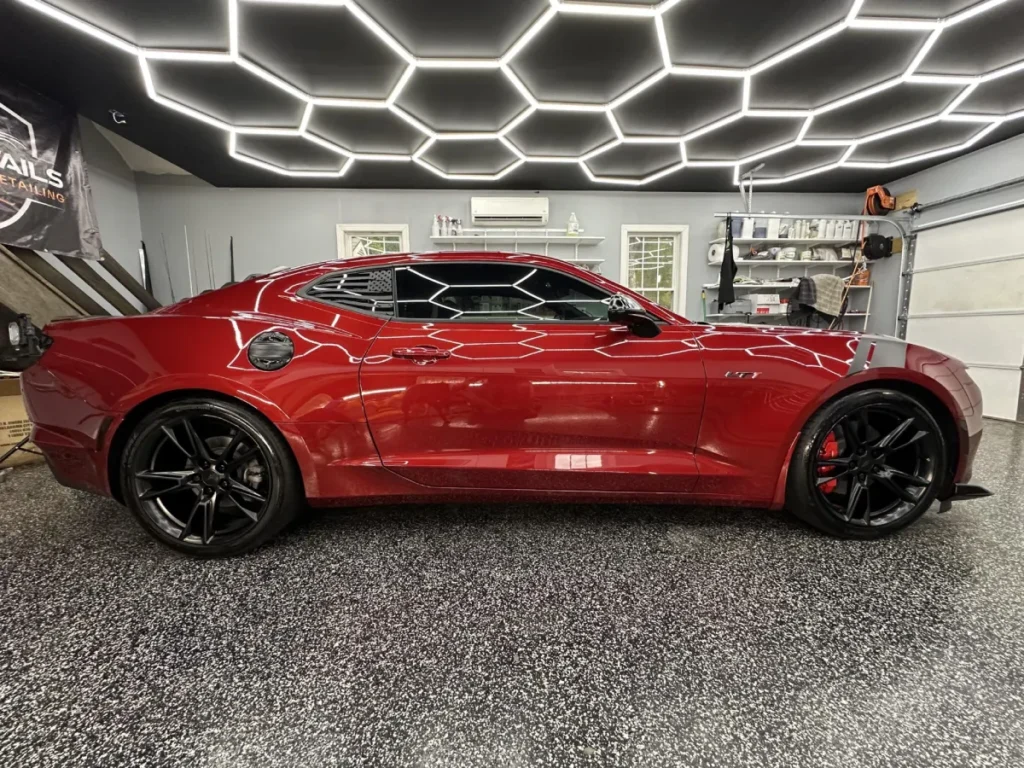
Mike Details states that its Enola, PA ceramic coating process uses environmental controls, including temperature and humidity management, as well as specialized lighting.
This is particularly relevant when comparing professional installation with an uncontrolled DIY environment.
The goal is not simply to make the workspace comfortable. Environmental control gives the technician better conditions for applying and leveling the product.
What Mistakes Can Occur During The Curing Stage?
The curing stage is another important part of the installation.
After application, the coating needs time to develop its intended properties. The exact curing requirements vary according to the coating system and environmental conditions.
Common mistakes include:
- Exposing the vehicle to unsuitable conditions too soon
- Washing the vehicle before the recommended period
- Ignoring the installer’s aftercare instructions
- Assuming every coating has the same curing requirements
- Failing to inspect the vehicle after curing
Vehicle owners should follow the specific aftercare instructions provided for their coating rather than relying on a generic curing timeframe.
Common Myth: Ceramic Coating Makes Paint Scratch-Proof
Ceramic coating does not make automotive paint completely scratch-proof.
A cured coating can provide a protective surface and improve resistance to certain environmental contaminants and everyday surface exposure, but it cannot prevent every scratch, rock impact, or form of physical damage.
This distinction matters when choosing vehicle protection. Ceramic coating is designed primarily as a surface-protection system, not as a substitute for impact-resistant protection such as paint protection film.
Mike Details describes ceramic coating in Enola as providing protection from environmental elements while enhancing gloss and making maintenance easier.
How Can You Tell If A Ceramic Coating Was Installed Correctly?
A properly installed coating should have a consistent appearance without obvious high spots, streaks, or uneven areas.
Look for these installation characteristics:
- Thorough surface preparation
- Consistent application
- Proper leveling
- Controlled working conditions
- Detailed lighting inspection
- Appropriate curing
- Clear aftercare instructions
A professional should also be able to explain what preparation was performed and why it was appropriate for the vehicle.
For an owner in Summerdale, for example, comparing coating services based solely on price may overlook important differences in preparation and installation procedures.
Proper Installation Matters As Much As The Coating
Common ceramic coating mistakes include poor surface preparation, inadequate decontamination, skipped paint correction, incorrect application, poor leveling, unsuitable conditions, and improper curing. The final result depends on more than the coating itself, including paint condition, cleanliness, technique, inspection, and curing.
For drivers researching Enola, PA ceramic coating, Mike Details offers packages that include preparation, paint correction, application, and inspection.
Contact us today to discuss your vehicle’s paint condition, coating options, preparation requirements, and the installation process best suited to your vehicle.
People Also Ask
What Is The Biggest Ceramic Coating Installation Mistake?
Poor surface preparation is one of the most serious mistakes, as contamination and paint defects can remain beneath the coating.
Can Ceramic Coating Hide Swirl Marks?
No. Ceramic coating does not remove existing swirl marks. Paint correction may be needed before coating if improving paint clarity is a priority.
What Causes Ceramic Coating High Spots?
High spots can occur when excess coating is not properly leveled before it cures, leaving an uneven area on the paint.
Can Ceramic Coating Be Installed In Any Weather?
Environmental conditions can affect application and curing. Professional installers should follow the coating manufacturer’s requirements for temperature and humidity.