Ceramic coating is a liquid polymer that chemically bonds with a vehicle’s factory paint to create a semi-permanent layer of protection against UV rays, chemical stains, and environmental contaminants. You should consider it for your vehicle because it offers longer-lasting durability than traditional wax, enhances the paint’s depth and gloss, and creates a hydrophobic surface that makes routine cleaning much easier. By acting as a sacrificial barrier, it preserves your car’s aesthetic and resale value for years.
What is Ceramic Coating?
At its core, a ceramic coating is a sophisticated chemical solution applied to the exterior of a vehicle to protect it from external paint damage. Most commonly composed of Silicon Dioxide (SiO2), often derived from natural sources like quartz and sand, these coatings utilize nanotechnology to fill the microscopic pores of your vehicle’s clear coat. When we talk about ceramic coating in Mechanicsburg, we are referring to a product that does not simply sit on the surface like a sealant; it becomes an extension of the paint itself.
Unlike traditional waxes or organic sealants that can be stripped away by high heat or harsh detergents within weeks, a high-quality ceramic coating provides a far more durable, inorganic solution. Because the bond is created at a molecular level, the coating is resistant to the high temperatures and acidic environmental factors that typically break down traditional products. Depending on the specific formulation and the consistency of maintenance, these professional-grade solutions can remain effective for anywhere from two to five years.
The Importance of Preparation
Just like any effective defense, preparation is the most critical stage of the application process. Before a single drop of coating touches the car, the surface must be meticulously prepared. Think of this as setting the stage for an epic battle where the foundation must be rock-solid. If the coating is applied over dirt, grease, or microscopic iron particles, it will fail to bond correctly, significantly reducing its lifespan.
The preparation process involves several intensive steps:
- Decontamination Wash: Removing surface dirt, road film, and old waxes.
- Clay Bar Treatment: Using a specialized clay to “pull” embedded contaminants out of the pores of the paint.
- Iron Removal: Utilizing chemical cleaners to dissolve fallout from brake dust that has embedded itself in the clear coat.
- Paint Correction: Polishing the paint to remove swirl marks and scratches. Since the coating is transparent and permanent, any defect left on the paint will be “locked in” under the coating.
A clean, smooth surface ensures that the coating bonds properly and delivers its full protective promise, resulting in that legendary “wet look” that enthusiasts crave.
Benefits of Car Coating
Investing in a professional car coating is more than just a cosmetic upgrade; it is a long-term strategy for vehicle preservation. For those seeking a premium Mechanicsburg ceramic coating, the benefits represent a fundamental shift in how you care for your investment.
Exceptional Protection from the Elements
Think about the daily interactions your car endures: harsh UV rays from the sun, acidic bird droppings, sticky tree sap, and the corrosive road salt used during Pennsylvania winters. Without a protective layer, these elements cause oxidation, which leads to fading and a dull appearance. The ceramic coating acts as a formidable, glass-like barrier, preventing these substances from reaching the actual paint.
- Hydrophobic Properties: One of the standout features of a ceramic-coated vehicle is its “hydrophobicity,” or its ability to repel water. This means that when water hits your car’s surface, it tends to bead up into tight spheres and roll off effortlessly rather than pooling or clinging to the paint. This “self-cleaning” effect means that as water rolls off, it carries away a significant amount of surface dirt and grime with it. This keeps the vehicle cleaner for much longer periods and makes the routine bi-weekly wash incredibly simple.
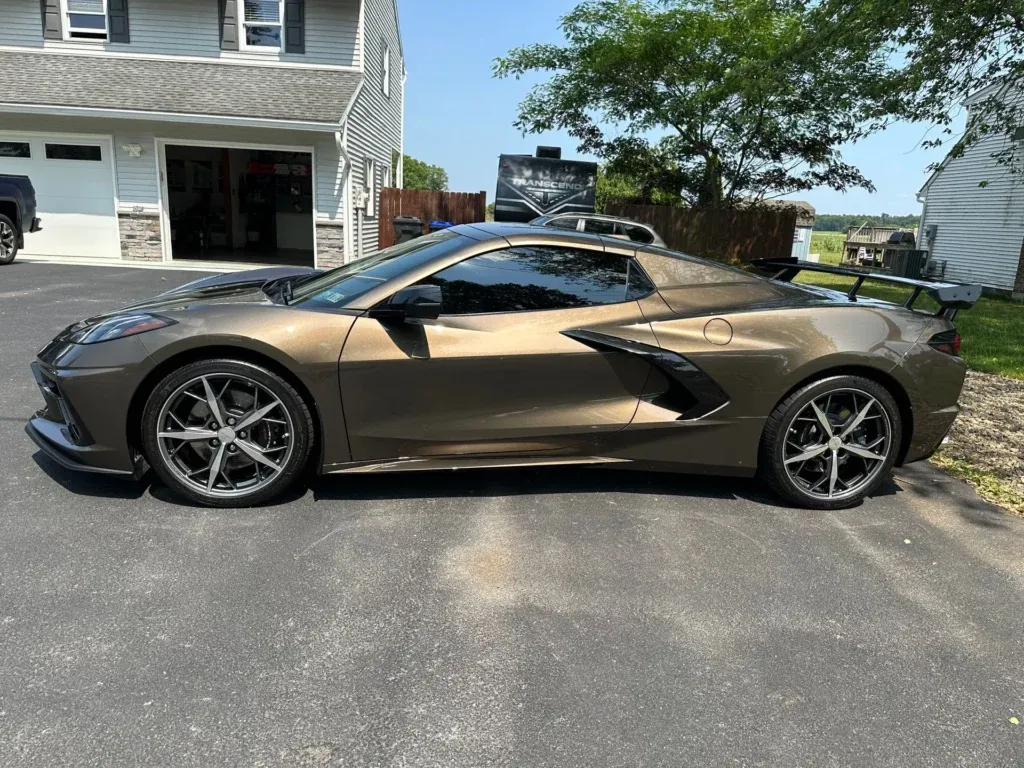
- Enhanced Gloss and Depth: Many enthusiasts notice a dramatic enhancement in gloss after having their cars coated. By filling in the microscopic ridges of the paint, the coating creates a perfectly flat surface that reflects light more uniformly. This elevates the aesthetic appeal of the vehicle, making even older cars look like they just rolled off the showroom floor. A well-coated car instantly exudes luxury and care, signifying that the owner values their investment.
- Long-Lasting Durability: In the world of automotive detailing, durability is king. Traditional waxes are organic and begin to degrade the moment they are exposed to the sun or wind. Ceramic coatings are inorganic and far more resilient. This longevity translates into fewer trips to the detail shop and real savings in both time and money over the lifespan of the vehicle.
Coating vs. Traditional Wax
When you think about protecting your car’s finish, you might picture the familiar scene of applying wax with a soft cloth under a warm sun. While this has been a staple of car care for decades, modern technology has moved far beyond it.
Longevity Comparison
The most significant difference is the timeline of protection. A high-quality Carnauba wax might provide protection for 4 to 8 weeks. A synthetic sealant might push that to 6 months. However, the process for ceramic coating in Mechanicsburg, PA, provides a shield that is measured in years. For a daily driver exposed to the elements 24/7, the permanence of a coating is an undeniable advantage.
Resistance to Chemicals
Traditional wax can be easily stripped away by a single wash at an automated car wash using high-pH soaps. Ceramic coatings, however, are designed to withstand a wide range of pH levels. This chemical resistance protects the paint from permanent etching that can occur when bird droppings or bug splatter are left on the surface for too long.
The Application Ritual
Applying wax is often a relaxing, DIY ritual. It is forgiving and easy to buff off. In contrast, applying a ceramic coating is an intricate dance of cleanliness and precision. Each section must be applied evenly, allowed to “flash” for a specific amount of time, and then leveled with clean microfiber towels. If the timing is off, “high spots” can occur, which look like dark, oily streaks that can only be removed through machine polishing. This is why a professional application is generally recommended for the best results.
How to Maintain Your Coated Car
While a ceramic coating is often marketed as “permanent” or “self-cleaning,” it still requires regular attention to perform at its peak. Like tending to a garden, investing time in care pays off in the long run.
- The Two-Bucket Wash Method: To keep the coating in pristine condition, it is advisable to wash the car every two weeks using a pH-neutral shampoo. We highly recommend the “two-bucket” method: one bucket for soapy water and one bucket of clean water for rinsing your wash mitt. This prevents you from rubbing the dirt you just took off the car back onto the paint.
- Avoiding Mechanical Damage: While the convenience of automated car washes is enticing, the harsh, rotating brushes used in those facilities are the enemy of a perfect finish. These brushes often hold dirt from the hundreds of cars that went through before yours, which acts like sandpaper against your coating. Instead, embrace the art of handwashing or use a touchless car wash if you are in a hurry.
- Periodic Checkups and Boosters: Every few months, it is beneficial to apply a “ceramic booster” or silica spray. These products are designed specifically to rejuvenate the top layer of the coating, restoring its maximum hydrophobic qualities. This simple step can dramatically extend the life of your coating, acting much like a fresh coat of varnish on wood furniture.
Is Coating Worth the Investment?
Evaluating whether a ceramic coating is a worthy investment involves looking past the initial price tag. A professional application involves a significant amount of labor, often 10 to 20 hours of labor for a full paint correction and coating install.
Cost-Benefit Analysis
The upfront cost may seem steep compared to a wax. However, if you calculate the cost of professional waxing every three months over a four-year period, the ceramic coating often emerges as the more economical choice.
Resale Value
A vehicle that has been ceramic coated from day one will almost always have a superior paint condition compared to one that hasn’t. In the used car market, exterior condition is a major factor in valuation. By preventing oxidation and minor surface wear, the coating ensures your vehicle maintains its value far longer. It isn’t just a cosmetic upgrade, it’s a comprehensive defense system for your vehicle’s exterior.
Top Ceramic Coating Installers in Mechanicsburg, PA
Your vehicle deserves more than just a quick wash, it deserves long-lasting protection and unmatched gloss. At Mike Details, our services are meticulously applied to guard against the specific environmental threats found here in Central Pennsylvania. Whether you are looking to preserve a brand-new exotic car or refresh the appearance of your trusted daily driver, our team ensures every square inch of your paint is sealed with precision.
Ready for a free quote? Contact us today! Our expert team is standing by to help you choose the right protection package for your vehicle and ensure your investment is protected for the road ahead.
Frequently Asked Questions
How long does it take to apply?
Because of the extensive preparation and paint correction required, a professional application usually takes 1 to 2 full days. The car also needs to stay dry for a specific curing period immediately following the application.
Does ceramic coating stop rock chips?
No. While it adds a layer of measurable hardness that resists light scratches and swirls, it is not a thick enough barrier to stop a rock traveling at highway speeds. For that level of physical protection, we suggest looking into our paint protection film services.
Can I still get water spots?
Yes. Ceramic coatings are hydrophobic (repel water), but they are not “water spot proof.” If mineral-heavy water is allowed to dry on the surface in the sun, those minerals can still bond to the coating. However, because of the coating, they are much easier to remove.
Do I need to “decontaminate” the coating?
Over time, environmental fallout like rail dust or sap can sit on top of the coating. Using a dedicated iron remover or a very mild clay bar every year can help “unclog” the pores of the coating and restore its water-beading performance.